



The Nature of Luck in Gambling
Luck is often characterized as the seemingly random and unpredictable factor that influences outcomes in various games of chance. In gambling environments, particularly within casinos, it is the key element players cling to, hoping it will favor them when placing bets. This notion of luck is deeply ingrained in the psychology of gambling, where players often attribute their wins and losses to fate. While luck is an essential factor, understanding how it interacts with probability and house edges in casino games can lead to discovering a new online casino experience that enhances overall enjoyment and strategy for players.
The games offered in casinos, from blackjack to roulette, are inherently designed with odds that favor the house. This means that understanding the underlying probabilities can provide insight into the likelihood of wins and losses. For instance, a player may feel lucky on a particular day, but the reality is that the odds are finely tuned to ensure the casino remains profitable. Thus, while luck plays a role, it is vital to acknowledge that it operates within a structured system of probabilities that can often negate the power of luck over time, leading to the conclusion that luck, while exciting, is not a reliable predictor of success.
This intersection of luck and probability raises the question of whether luck can be predicted at all. While it may not be possible to forecast a specific outcome in a game of chance, players can analyze patterns and trends over time. However, the unpredictability of each individual spin of a slot machine or turn of a card remains intact. In essence, while players may feel they can influence luck through rituals or strategies, fundamentally, luck is a capricious force that operates outside the realm of prediction, reminding players that the thrill of gambling is closely tied to uncertainty.
The Role of Psychology in Perceiving Luck
Psychological factors heavily influence how players perceive luck in gambling settings. Many gamblers develop a belief in “hot” or “cold” streaks, where they think their luck can change based on past experiences. This behavioral aspect can lead to a false sense of predictability, where players believe they can “read” the game or anticipate future outcomes based on previous results. Cognitive biases, such as the gambler’s fallacy, can cloud judgment, leading players to make irrational bets based on an incorrect understanding of probability, which can ultimately result in increased losses.
The environment within a casino can amplify feelings of luck. The sounds, lights, and atmosphere are meticulously crafted to create a sense of excitement and possibility. This ambiance heightens emotional responses, making players feel more connected to the concept of luck. Consequently, they often rationalize their experiences and convince themselves that their actions, like choosing a specific machine or table, can attract good fortune. This psychological manipulation can lead to an extended gaming experience, where players chase the elusive “winning moment” that seems just within reach.
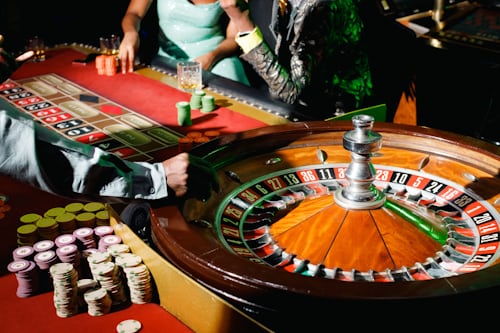
Lastly, the social aspect of gambling further complicates the perception of luck. Interactions with fellow gamblers can create a community of shared experiences and beliefs surrounding luck. Stories of big wins or near misses circulate, reinforcing the myth that luck can be influenced or predicted. In this way, the psychology of gambling intertwines with the belief in luck, leading players to engage in behaviors and strategies that may not significantly impact their success but are nonetheless deeply rooted in their understanding of luck and fate, highlighting the intricate relationship between perception and reality in gambling settings.
Statistical Models and Predictability
When it comes to predicting outcomes in casino environments through statistical models, the results are often mixed. While computer algorithms and simulations can analyze vast amounts of data to forecast trends, they cannot definitively predict the outcomes of games governed by chance. For example, while players may use statistical analysis to determine the best times to play or the most favorable games, the actual results remain subject to the random nature of luck. This unpredictability is a fundamental characteristic of gambling, making it both thrilling and frustrating for players.
Mathematicians and statisticians can calculate the odds of winning in various games, providing players with valuable information about their chances. However, this knowledge does not guarantee success, as luck can still intervene unpredictably. For instance, in games like poker, where skill and strategy come into play, luck can significantly impact an individual hand, creating scenarios where even the most skilled players can have off nights simply due to bad luck. This blend of skill and chance makes predicting outcomes a challenging endeavor, as the balance shifts constantly.
Moreover, casinos often employ advanced technology to monitor player behavior and outcomes. These data analytics tools can evaluate patterns and trends, which can be used to optimize game offerings and enhance player engagement. However, the fundamental nature of luck in gaming means that no amount of data can change the unpredictable essence of chance. Ultimately, while statistics can provide insight, they cannot replace the element of luck that makes gaming thrilling, reminding players that the unpredictability is part of the allure of casino experiences.
The Impact of Game Design on Luck
Casino games are meticulously designed to create a balance between luck and player engagement. This dynamic is evident in games such as slot machines, where the mechanics often incorporate random number generators to ensure that outcomes are genuinely unpredictable. Game designers understand the role of luck in player motivation; they create experiences that foster excitement while embedding odds and house edges that favor the casino in the long run. This creates an environment where players are constantly engaged, fueled by the hope of hitting a lucky streak.

For example, some slot machines are programmed to provide frequent small wins that give players the illusion of control over their luck, even though the overall payout rate is mathematically determined. This design element keeps players engaged, encouraging them to play longer as they chase that next big win, driven by their perception of luck. By manipulating these psychological factors, game designers can significantly influence how luck is perceived and experienced in a casino setting, blending skill and chance into a compelling narrative that keeps players returning for more.
Furthermore, game variations and rules can also shift the balance of luck and skill. In games like poker, players can leverage their understanding of strategy to mitigate the impact of luck over time. This complexity adds another layer to the discussion of whether luck can be predicted, as skill can sometimes overcome randomness. However, in purely luck-based games like roulette, the outcome is entirely dictated by chance, showcasing the varying degrees to which luck plays a role in different casino environments. Understanding these mechanics allows players to make more informed decisions about where to invest their time and money.
Exploring Resources for Gamblers
For those interested in diving deeper into the world of gambling and luck, various resources can enhance understanding and strategies. Numerous websites and forums provide valuable insights into game strategies, psychological aspects of gambling, and the mathematics behind games of chance. Engaging with these resources allows players to expand their knowledge and perhaps understand how to engage with luck more effectively, equipping them with tools to navigate the unpredictable nature of gambling.
Moreover, books and articles by experts in psychology, gambling strategies, and statistics can provide a more profound understanding of how luck operates within casino environments. These resources offer perspectives on both luck and skill, helping players to grasp the balance between the two and make informed decisions during play. By incorporating this knowledge, players can develop a more nuanced approach to gambling that acknowledges the role of luck while employing strategies to maximize their chances of success.
Additionally, responsible gambling platforms aim to educate players about the risks associated with gambling and the realities of luck versus skill. By promoting awareness and understanding, these platforms encourage players to engage with gaming in a way that prioritizes enjoyment while recognizing the inherent risks and unpredictability of luck in gambling. Through education and informed decision-making, players can enjoy the thrill of the game while maintaining a healthy perspective on their experiences.