



The Importance of Space and Layout
Casino design significantly influences the player experience, with spatial layout being one of the most critical aspects. A well-structured casino floor promotes seamless navigation, enabling players to move effortlessly between various gaming options. For example, placing popular slot machines near entrances can attract attention and draw in visitors, while strategically located gaming tables encourage players to stay longer and engage more with the ambiance. Many also prefer to enjoy the best online pokies australia payid games available, as striking a balance between open spaces for movement and intimate seating areas fosters an inviting environment that encourages exploration and prolonged visits.
Effective design should also create a flow that promotes curiosity and adventure among players. By crafting pathways that lead players through diverse sections—such as high-stakes gaming areas, casual lounges, and dining options—designers can cultivate a sense of excitement. The use of psychological principles, like the advantages of circular layouts compared to linear designs, can enhance players’ experiences in the casino, making them feel more immersed and engaged in the environment. This thoughtful arrangement can significantly boost player satisfaction and encourage them to explore various gaming experiences.
Moreover, zoning within the casino is essential for catering to a wide range of player preferences. By developing distinct areas for different gaming experiences, designers can appeal to various demographics. High-energy zones with vibrant machines may attract thrill-seekers, while quieter, serene spaces cater to those preferring a more laid-back atmosphere. This variety not only enhances individual satisfaction but also increases the likelihood of players returning to the casino, as they feel that their diverse preferences are acknowledged and catered to. Ultimately, a well-considered layout can have a profound impact on player retention and overall enjoyment.
Lighting and Ambiance
Lighting serves as a fundamental element in casino design, profoundly affecting player engagement. The type and intensity of illumination can set the mood, stimulate excitement, or create a relaxing atmosphere. Bright, eye-catching lights around slot machines attract players and encourage them to try their luck, while softer, ambient lighting in lounge areas invites social interaction or offers a respite between games. By skillfully managing lighting, casinos can guide players through the space, enhancing the overall aesthetic and enriching the gaming experience.
The ambiance of a casino is further elevated through the careful integration of soundscapes alongside lighting. For example, the sounds of coins clinking or upbeat music in gaming areas can amplify excitement and motivate players to participate actively. Conversely, a more subdued sound environment in lounge areas can provide a welcoming retreat for those seeking a quieter experience. By harmonizing auditory and visual elements, casinos can evoke emotions directly linked to player engagement and satisfaction, encouraging longer visits and increased spending.

Additionally, establishing a unique theme through lighting can give a casino a competitive edge. A thoughtfully designed theme not only captures attention but also enhances the overall narrative of the gaming experience. For instance, a casino that evokes a vintage glamour with art deco lighting can transport players to a different era, creating a memorable visit that fosters loyalty. This interplay between lighting, sound, and thematic elements can cultivate a captivating atmosphere that keeps players engaged and eager to return.
Incorporating Technology
The incorporation of technology into casino design has revolutionized player engagement in numerous ways. Interactive gaming tables, mobile betting options, and personalized loyalty programs contribute to an enhanced experience that prioritizes convenience and customization. For instance, allowing players to place bets or access games via their mobile devices grants them the freedom to enjoy the casino experience without being confined to specific locations. This flexibility caters to the fast-paced lifestyle of modern players and broadens engagement opportunities.
Furthermore, the advent of advanced technologies such as virtual reality and augmented reality is transforming the landscape of casino gaming. These innovations provide immersive experiences that captivate players on multiple sensory levels, allowing them to feel like active participants in a larger narrative. By incorporating such cutting-edge experiences, casinos can attract a younger audience eager for unique entertainment options, ultimately enhancing their overall engagement strategy and appealing to tech-savvy patrons.
Additionally, technology streamlines casino operations, enabling better monitoring of player behavior and preferences. By analyzing data on how players interact with different games and environments, casinos can make informed decisions about layout, game offerings, and promotional strategies. This data-driven approach not only enhances player engagement through personalized experiences but also optimizes operational efficiency, leading to greater profitability. As the industry evolves, staying at the forefront of technological advancements will be crucial for maintaining player interest and satisfaction.
Psychological Elements of Design
The psychological aspects of casino design play a vital role in influencing player engagement. Elements such as color psychology significantly impact player moods and behaviors. For instance, warm colors like red and gold are often utilized to evoke feelings of excitement and energy, while cooler tones can create a sense of calmness. By harnessing these psychological principles, designers can cultivate an environment that not only attracts players but also encourages extended gaming sessions and repeat visits, as players respond emotionally to their surroundings.
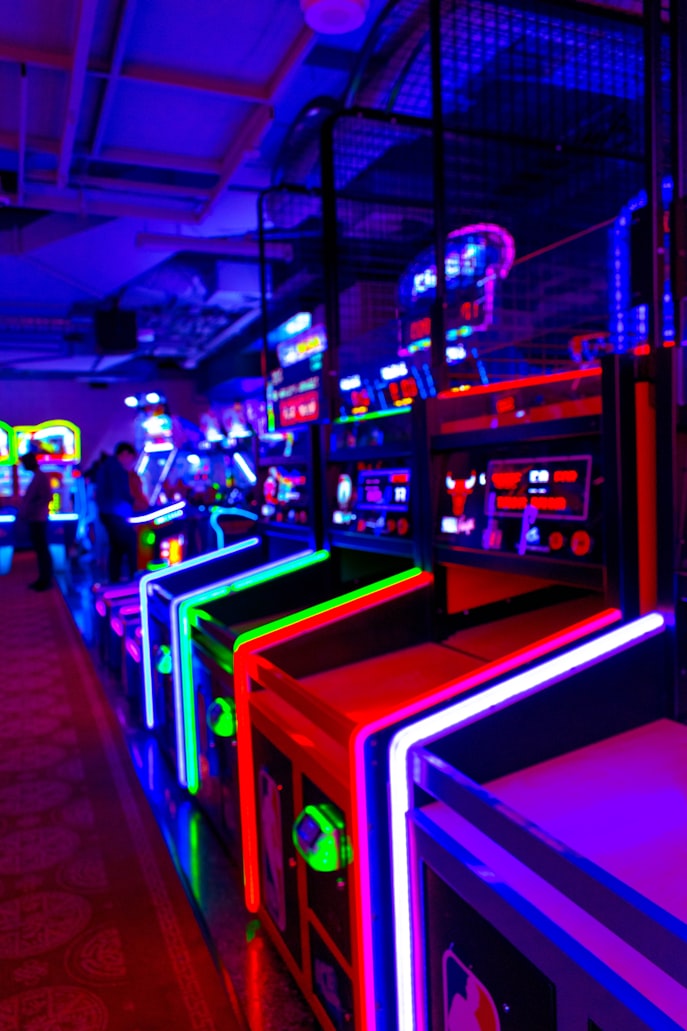
Moreover, the concept of themed areas in casinos taps into the psychological appeal of storytelling and imagination. By creating distinct environments, each with its unique theme, casinos can foster deeper emotional connections with players. For example, a section designed around a mythical adventure can transport players into an enchanting world, enhancing their overall gaming experience. This emotional engagement is crucial for ensuring that players feel a connection to the environment, which can directly influence their willingness to spend more time and money in the casino.
Lastly, introducing elements of surprise and novelty within casino design can stimulate curiosity and promote engagement. For instance, rotating game selections or offering daily promotions can keep the experience fresh and exciting for returning players. By continuously evolving their offerings and environments, casinos can maintain high levels of engagement and encourage players to seek out new experiences. Such strategic design elements create a dynamic atmosphere that consistently attracts players back, fostering loyalty and driving revenue growth.
Enhancing the Online Experience
In an increasingly digital world, enhancing player engagement extends beyond physical casinos; the online experience is equally critical. Many traditional casinos have developed websites and mobile applications to facilitate a seamless transition from in-person to online gaming. These platforms must mirror the design principles of their physical counterparts, offering visually appealing layouts and user-friendly interfaces that capture the excitement of being on the casino floor. A well-crafted online design can significantly influence player retention and satisfaction.
Incorporating virtual elements, such as live dealer games, can bridge the gap between physical and online environments, providing players with a more immersive experience. By replicating the atmosphere of a real casino, these features can enhance player connections, fostering a sense of community and encouraging longer gaming sessions. Additionally, implementing gamification elements—like rewards and achievements—can keep players engaged and invested in their online gaming journey. This approach often leads to increased player loyalty and a stronger emotional bond with the brand.
Furthermore, a robust online presence allows casinos to analyze player data more effectively, enabling tailored promotions and offers that align with individual preferences. This personalized approach enhances engagement by making players feel valued and understood. As casinos continue to adapt to the rising significance of online gaming, prioritizing design and user experience will be essential in maximizing player engagement and fostering long-term customer loyalty. A commitment to delivering a high-quality online experience reflects the evolving expectations of players in today’s digital landscape.